 Altınok
Embroidery backing weight in g/m²: Altınok 503 to 506 compared
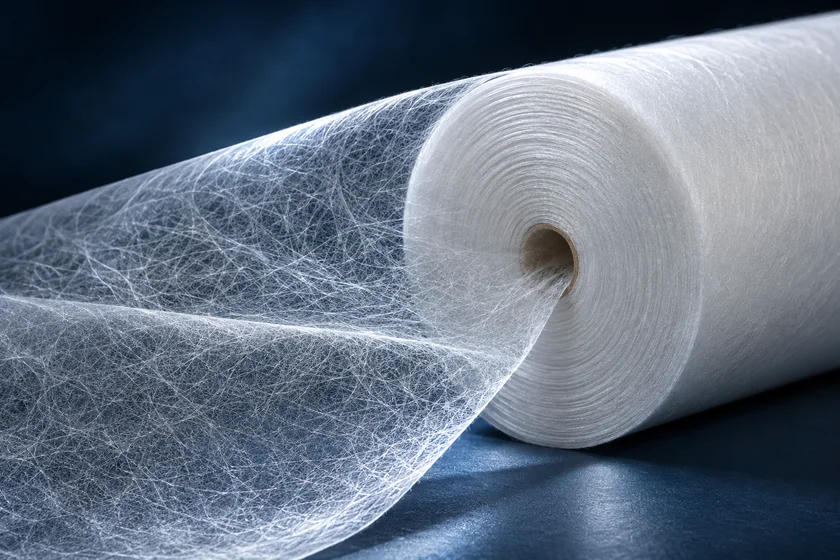
Backing weight in g/m² is the mass of a square metre of material. Altınok’s four standard series cover 25–44 g/m². Use the weight range alongside the stretch of the fabric and density of the design when choosing swatches.
What are the weights of 503, 504, 505 and 506?
These are the standard roll specifications in the Altınok catalogue. All four series come in standard widths of 70, 80 and 90 cm. Check the length separately when ordering 503.
| Series | Weight | Standard roll | Applications |
|---|---|---|---|
| 503 | 25–28 g/m² | 500 m | Lightweight backing in long rolls for high-volume embroidery. |
| 504 | 29–33 g/m² | 300 m | Shirts, T-shirts and general garment embroidery. |
| 505 | 34–38 g/m² | 300 m | Dense embroidered logos, apparel and home textiles. |
| 506 | 39–44 g/m² | 300 m | Heavy embroidery, patches, thick wovens, towels and robes. |
How much area is on a roll?
Length and weight answer different questions. An 80 cm wide, 500 m long roll of 503 contains 0.80 × 500 = 400 m² of material. A 300 m roll of the same width contains 240 m². These are gross areas before allowance for hooping margins, offcuts or rejected pieces.
Calculate roll area
When is a heavier swatch worth testing?
If dense fill pulls the edges together after hooping has been checked, test the next weight with the same design. Bend both finished samples and feel the difference on the back. A backing that keeps the fill flat can also change the drape of a light shirt.
What should a request for a quote include?
For example, specify six rolls of 504, standard tear-away, 80 cm wide and 300 m per roll. List any custom colour, width or weight separately. This lets the supplier distinguish a standard catalogue roll from a custom production request.